
"Arabic coffee"
1000 article(s) found

Coffee in the Galapagos Islands
In 1875, Manuel J. Cobos, an indigenous Ecuadorian, began growing arabic bourbon coffee trees on Hacienda El Cafetal in San Cristobal. Coffee growing in the Galapagos Islands: Coffee is grown in Saint Cristobal. Hacienda El Cafetal in San Cristobal
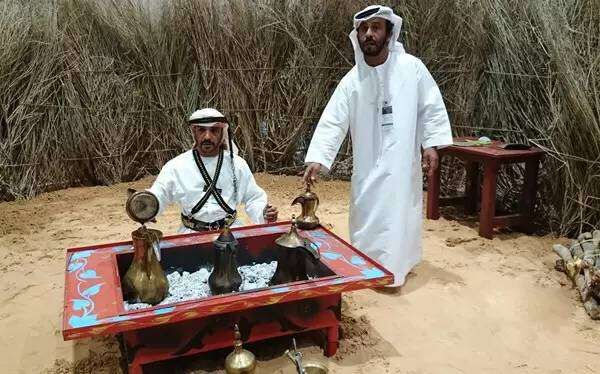
A global collection of different coffee brewing methods-let you know more about coffee
Arabica or Turkish coffee Although coffee beans spread from Arabia to the world, the method of brewing Arabica coffee is less famous. The Arabic method of brewing coffee is quite different from other methods of brewing coffee. Traditionally, the Arabic method is to brew coffee three times. Boiling coffee is easy to boil off the aroma of coffee, but heavy coffee is the most romantic.
Coffee from the Galapagos Islands
In 1875, Manuel J. Cobos, an indigenous Ecuadorian, began growing arabic bourbon coffee trees on Hacienda El Cafetal in San Cristobal. Coffee growing in the Galapagos Islands: Coffee is grown in Saint Cristobal. Hacienda El Cafetal in San Cristobal
Coffee grinder recommends sawtooth bean grinder
The saw-tooth bean grinder can grind uniform coffee powder quickly and steadily, but the price is higher. The operation method of this kind of bean grinder is quite simple, as long as you follow the instructions on the instructions, it can be easily used. Generally speaking, it has two setting functions, one is the grinding degree setting, the other is the grinding time setting. The degree of grinding is mostly expressed in Arabic numerals, and the smaller the number is, the finer the grinding is.
Global Coffee producer-Galapagos
In 1875, ManuelJ.Cobos, an indigenous Ecuadorian, began to grow Arabic bourbon coffee trees in the Hasunda Coffee Garden (HaciendaElCafetal) in San Cristobal. Coffee production in the Galapagos Islands: coffee is grown in San Cristobal (SaintCristobal). Inner species of Hasunda Coffee Garden (HaciendaElCafetal) in San Cristobal
The Cultural basis of Coffee the Origin of the name COFFEE
The word Coffee means friendly in Arab countries. According to the legend, there are many sources of coffee names, and there are two more credible ones: the evolution of the phonetic era: Coffee is English, French is Cafe, Italian Caffe, Dutch Koffie, German Kaffee. The pronunciation comes from the Arabic word Qahwah, which means plant drink, and the Turkish word for kahveh.
Characteristics of flavor description of Ugandan single bean coffee bean Development History of planting Information planting varieties
For the exchange of professional baristas, please pay attention to the coffee workshop (Wechat official account cafe_style) East African Great Graben (that is, Rift Valley) connecting Weidolia Lake and Elgon Mountain is a famous and important boutique coffee belt in East Africa. The eastern side of Mount Elgon is one of the important coffee producing areas in Kenya, while the western side of Mount Elgon, the western highland on the Ugandan side, also produces great coffee.
Coffee grinder saw-tooth bean grinder
The saw-tooth bean grinder can grind uniform coffee powder quickly and steadily, but the price is higher. The operation method of this kind of bean grinder is quite simple, as long as you follow the instructions on the instructions, it can be easily used. Generally speaking, it has two setting functions, one is the grinding degree setting, the other is the grinding time setting. The degree of grinding is mostly expressed in Arabic numerals, and the smaller the number is, the finer the grinding is.

Boutique Coffee benefits of drinking Organic Coffee in healthy Life
The word Coffee comes from a small town in Ethiopia called kaffa, in Arabic? It means strength and enthusiasm. Coffee, tea and cocoa are called the three major beverage plants in the world. Let's explain the benefits of drinking organic coffee. 1. Organic coffee contains certain nutrients. Nicotinic acid in coffee contains vitamin B, roasted coffee
Introduction of Chinese fine coffee beans; Variety characteristics of Yunnan small coffee
Coffee is rich in protein, fat, sucrose and starch, caffeine and other substances, made of beverage aroma rich, delicious taste, rich nutrition, thus becoming the world's three major drinks and tea, cocoa composition, and ranked first. Yunnan coffee is a variation of Arabic original species, after long-term cultivation evolved, generally known as Yunnan coffee, has been more than 100 years

Coffee production in San Cristobal, Ecuador, the highest Arabica coffee plantation in the world
Ecuador Galapagos (Ecuador Galapagos) Ecuador is the highest Arabic coffee plantation in the world. Since the coffee tree was first introduced into Ecuador in 1875, the quality of its coffee has remained unchanged for 100 years, especially the coffee harvested in early June every year, which is known as the best coffee in the world. Ecuadorian coffee beans are divided into Galapagos and Segan

History of the spread of Coffee Coffee was introduced into China
1. Coffee was introduced into Europe in the 16th century, and coffee attracted the attention of European countries in the name of Arabic wine. In the middle of the 17th century, coffee became popular in Europe. 2. When coffee was introduced into Asia in 1600, Baba Budan, a Muslim, successfully smuggled seven seeds on his belly and planted them for trial in the mountains of Mysore in southern India without large-scale cultivation. sixteen
Twelve famous premium coffee producing regions of Galapagos
In 1875, Manuel J. Cobos, an indigenous Ecuadorian, began growing arabic bourbon coffee trees on Hacienda El Cafetal in San Cristobal. Coffee growing in the Galapagos Islands: Coffee is grown in Saint Cristobal. Hacienda El Cafetal in San Cristobal

Is the quality of Ecuadorian coffee good? what are the characteristics of coffee bean cultivation?
Professional coffee knowledge exchange more coffee bean information Please follow the coffee workshop (Wechat official account cafe_style) there are only two varieties of coffee in the world: arabic and robusta. But only a few countries can find two varieties at the same time. For example, Colombian coffee is world-famous, but it is not as famous as robus.

Galapagos coffee producing area Galapagos coffee flavor
In 1875, ManuelJ.Cobos, an indigenous Ecuadorian, began to grow Arabic bourbon coffee trees in the Hasunda Coffee Garden (HaciendaElCafetal) in San Cristobal. Coffee production in the Galapagos Islands: coffee is grown in San Cristobal (SaintCristobal). Inner species of Hasunda Coffee Garden (HaciendaElCafetal) in San Cristobal

Introduction of Sawtooth Bean Mill for Coffee Grinding apparatus
The saw-tooth bean grinder can grind uniform coffee powder quickly and steadily, but the price is higher. The operation method of this kind of bean grinder is quite simple, as long as you follow the instructions on the instructions, it can be easily used. Generally speaking, it has two setting functions, one is the grinding degree setting, the other is the grinding time setting. The degree of grinding is mostly expressed in Arabic numerals, and the smaller the number is, the finer the grinding is.

Taste rich Galapagos coffee flavor, characteristics, taste and manor introduction
In 1875, Ecuador's indigenous ManuelJ.Cobos began to grow Arabic bourbon coffee trees in the Hasunda Coffee Garden (HaciendaElCafetal) in San Cristobal. Coffee production in the Galapagos Islands: coffee is grown in San Cristobal (SaintCristobal). In the Hasunda Cafe Garden (HaciendaElCafetal) in San Cristobal

Galapagos Islands Coffee characteristics of Galapagos Islands Coffee
In 1875, ManuelJ.Cobos, an indigenous Ecuadorian, began to grow Arabic bourbon coffee trees in the Hasunda Coffee Garden (HaciendaElCafetal) in San Cristobal. Coffee production in the Galapagos Islands: coffee is grown in San Cristobal (SaintCristobal). Inner species of Hasunda Coffee Garden (HaciendaElCafetal) in San Cristobal

Global coffee producer Galapagos Galapagos Islands Coffee Market
In 1875, ManuelJ.Cobos, an indigenous Ecuadorian, began to grow Arabic bourbon coffee trees in the Hasunda Coffee Garden (HaciendaElCafetal) in San Cristobal. Coffee production in the Galapagos Islands: coffee is grown in San Cristobal (SaintCristobal). Inner species of Hasunda Coffee Garden (HaciendaElCafetal) in San Cristobal

The coffee producing area of the Galapagos Islands.
In 1875, ManuelJ.Cobos, an indigenous Ecuadorian, began to grow Arabic bourbon coffee trees in the Hasunda Coffee Garden (HaciendaElCafetal) in San Cristobal. Coffee production in the Galapagos Islands: coffee is grown in San Cristobal (SaintCristobal). Inner species of Hasunda Coffee Garden (HaciendaElCafetal) in San Cristobal